|

I'm primarily a maritime and naval author, though
my books have included an illustrated history of Trafalgar Square, a companion to the Imperial War Museum's War Correspondent
exhibition, and the TV-tie in for Dan Snow's three-part Dig WW2, which took me into land conflict and air
warfare (though I had experience of writing about naval aviation) . I've set up the website in order
to provide information about my current and forthcoming books, post corrections and extra information, and to build up a list
of resources and material you may find useful. I am currently working on Shipwright 2014. Having
co-edited 2013 ( go to the Books tab and you will find details of it) I was very pleased to continue in the
job, and we're now looking for articles to commission for 2014 and beyond. .
You may be surprised to find
a big article about antique mercury barometers and the Italians who made them, in Britain, in the late 18th
and the first half of the 19th century. Well, we all have our guilty pleasures, and this is one of mine. There is
something very special about these beautiful, unique and useful creations that were handcrafted and signed by Italians
who, more than two centuries ago, began crossing the Alps and travelling some 750 miles across Europe to bring their
skills to Britain. The piece began as an article about a certain group of barometers but has not broadened
to follow the lives of the family that signed them. It's work in constant progress. It is also a chance to
write in a friendly style, with little digressions here and there, speculation, admissions of ignorance, not to mention well-intentioned
promises to find out missing information at some unspecified time in the vague future. In short, freed from the predatory
gaze of an editor, the demands of marketing, the straightjacket of a brief, and from the twin pressures of
time schedule and word count, I can indulge myself and, I hope, revive interest in, and acquisition of, mercury
barometers.
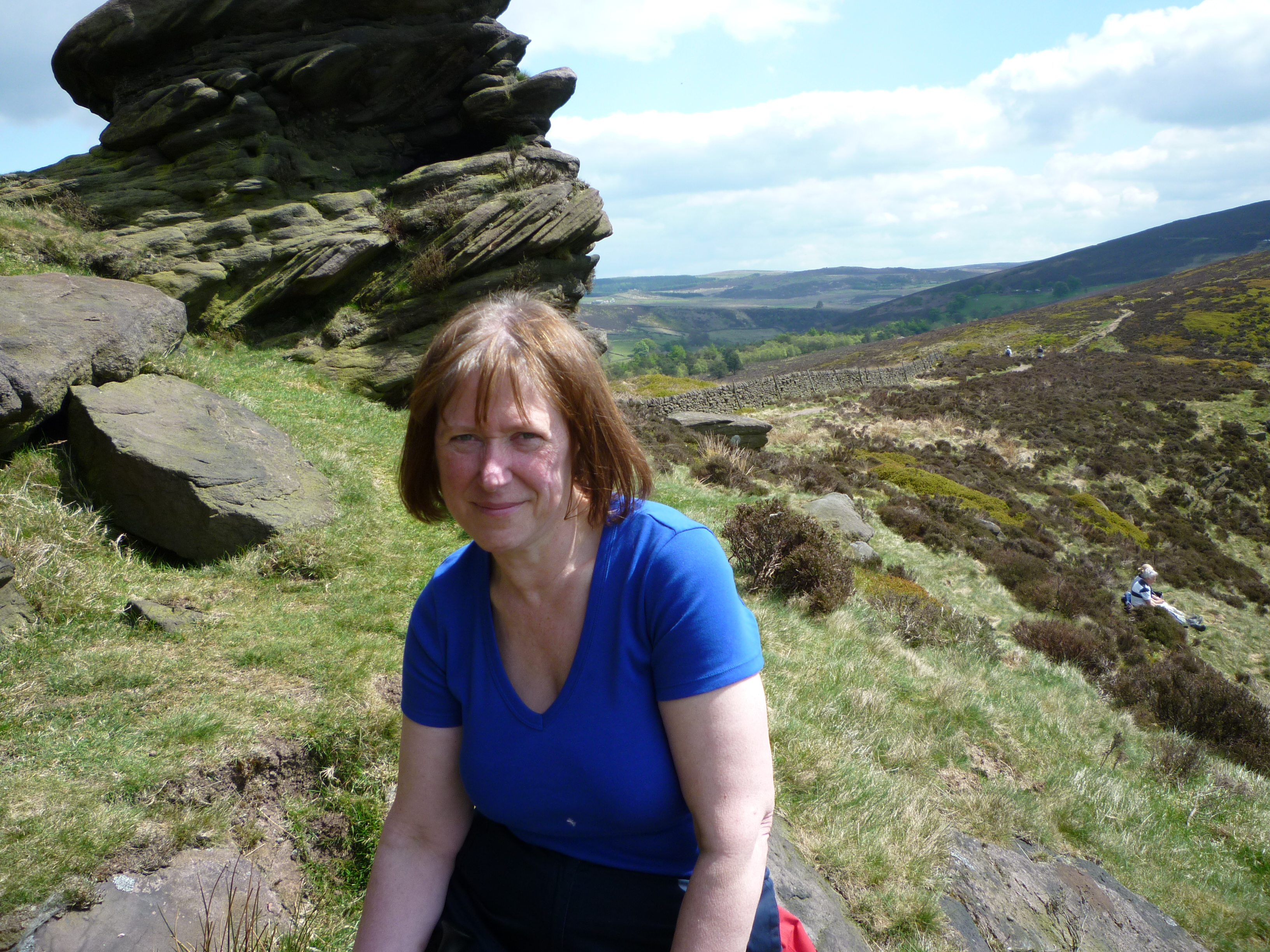
A bit about me:
As a child I read books by Henry Treece, Rosemary Sutcliff and Geoffrey Trease, but
it was Alexander Dumas' The Three Musketeers that gave me a love of history in general and that of the
17th Century in particular. Unfortunately, the school syllabus did not cover military history, so I dropped
it after O-level and studied languages before reading English at the University of Durham. After three years as an in-house
copywriter and PRO I went to work for Lloyd’s Register of Shipping, initially in advertising but soon as Information Officer. I was, at that time, a very active
member of the Sealed Knot Society of Cavaliers and Roundheads, and Lloyd's seemed to think that my known passion
for the English Civil War was the ideal background for getting to grips with maritime history - Several very rewarding
years followed, during which I answered questions from around the world on merchant ships past and present,
for freight forwarders, marine lawyers, historians, divers, art dealers, members of the public—just about anyone. During that time, I came across the name of an 18th Century East Indiaman,
Winterton. She became the obsession that, almost 20 years later (by which time I had left LR and raised a family)
became the subject of my first maritime book: Marked For Misfortune, published by
Conway for whom I have been writing ever since. Long before that I wrote a children’s book The Dragon of Brog, published
in hardback 1994, paperback in 1996, by Oxford (with wonderful illustrations by Peter Kavanagh).
contact me
The contact form has been removed because some idiot started sending spam. Please use
the following email: jeanhoodwebsite[AT]aol.com You'll need to replace the [AT] with
@ Sorry about this, but the world is full of morons who like to spoil life for the rest of us.
|